
Unveiling the Essence of Bangkok’s Best Bars: A Comprehensive Guide
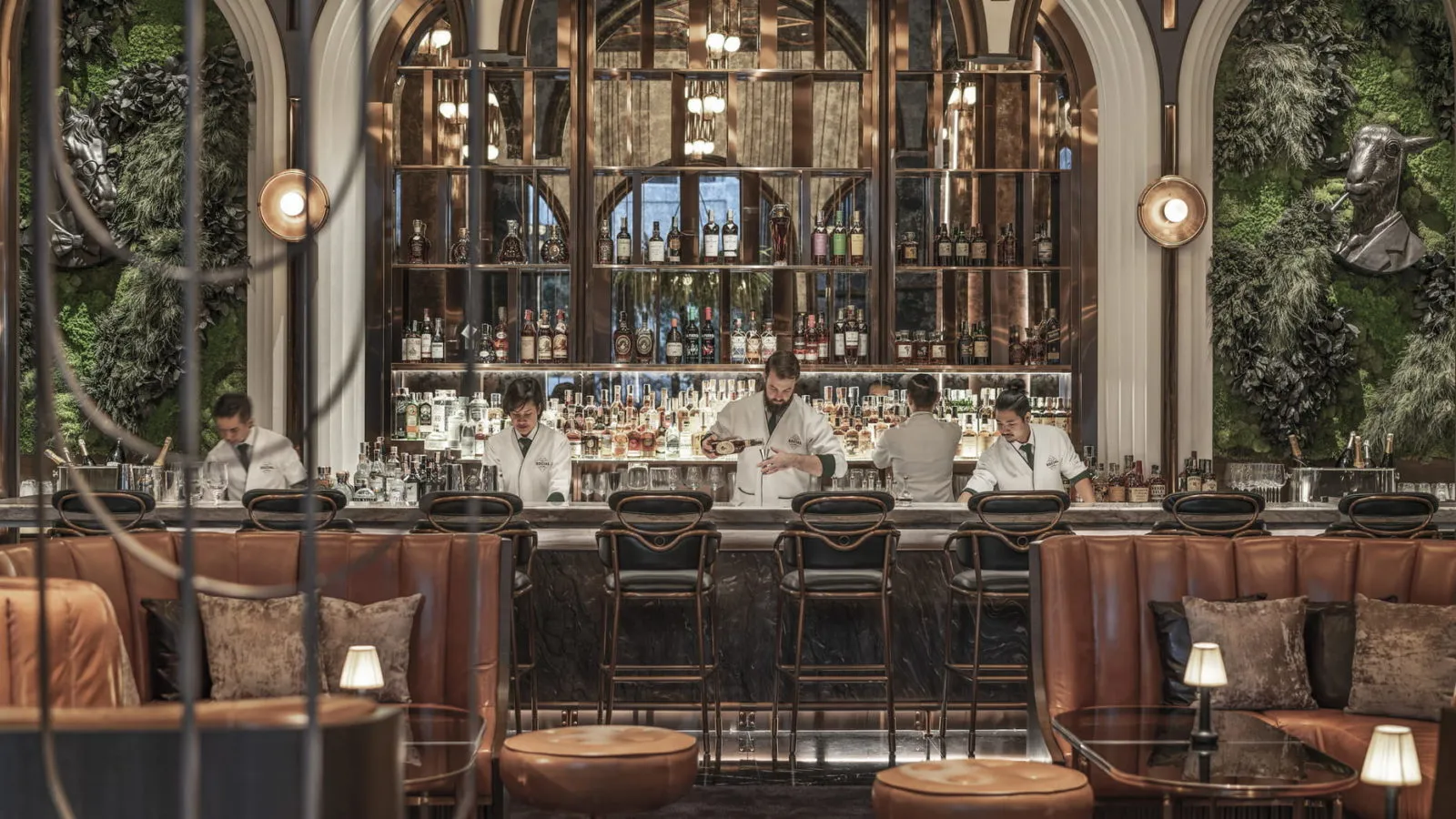 Bangkok, the vibrant capital of Thailand, is renowned for its electrifying nightlife, captivating visitors with its lively atmosphere and diverse array of bars. Whether you’re a local seeking a new spot to unwind or a traveler looking to immerse yourself in the city’s nocturnal charm, choosing the best bars in Bangkok can be an exhilarating yet overwhelming task. Fear not, for this blog post will provide you with a comprehensive guide and valuable tips to navigate Bangkok’s bustling bar scene, ensuring an unforgettable experience every time.
Understand Your Preferences:
Before embarking on your quest for the perfect bar, take a moment to reflect on your preferences. Do you seek a relaxed atmosphere, live music, breathtaking views, or a unique cocktail menu? Bangkok offers a multitude of options catering to diverse tastes, so clarifying your desires will narrow down your choices and enhance your overall experience. Click here to know more about the things to do in bangkok
Research Online:
With the digital age at our fingertips, researching online is an excellent starting point for exploring Bangkok’s bar scene. Websites, travel blogs, and review platforms provide valuable insights, ratings, and customer reviews. Pay attention to recent reviews and consider the overall consensus to identify the bars that align with your preferences.
Seek Local Recommendations:
While online research is valuable, nothing beats the recommendations of locals who are familiar with the city’s hidden gems. Strike up conversations with friendly locals, hotel staff, or expatriates living in Bangkok, and ask for their favorite bar suggestions. This approach often leads to uncovering lesser-known, off-the-beaten-path establishments that offer a more authentic and local experience.
Explore Bangkok’s Neighborhoods:
Bangkok’s neighborhoods each possess their own distinctive character and ambiance, housing a plethora of unique bars. By exploring different neighborhoods, you can curate a diverse bar-hopping experience.
Experience Rooftop Bars:
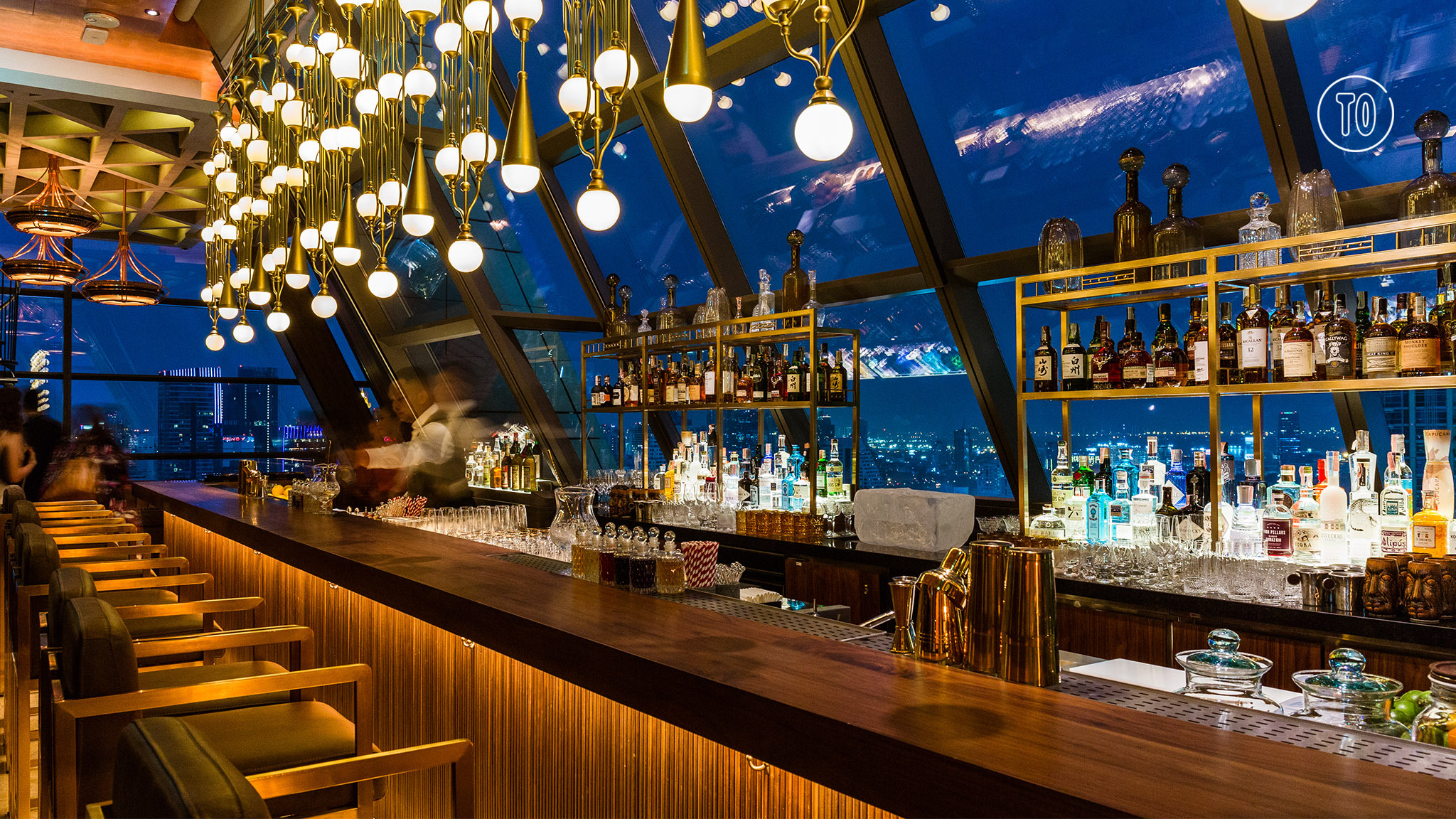
Bangkok’s skyline is a sight to behold, and experiencing the city from a rooftop bar is an absolute must. These elevated venues offer breathtaking views, delectable drinks, and a magical ambiance.
Immerse Yourself in Themed Bars:
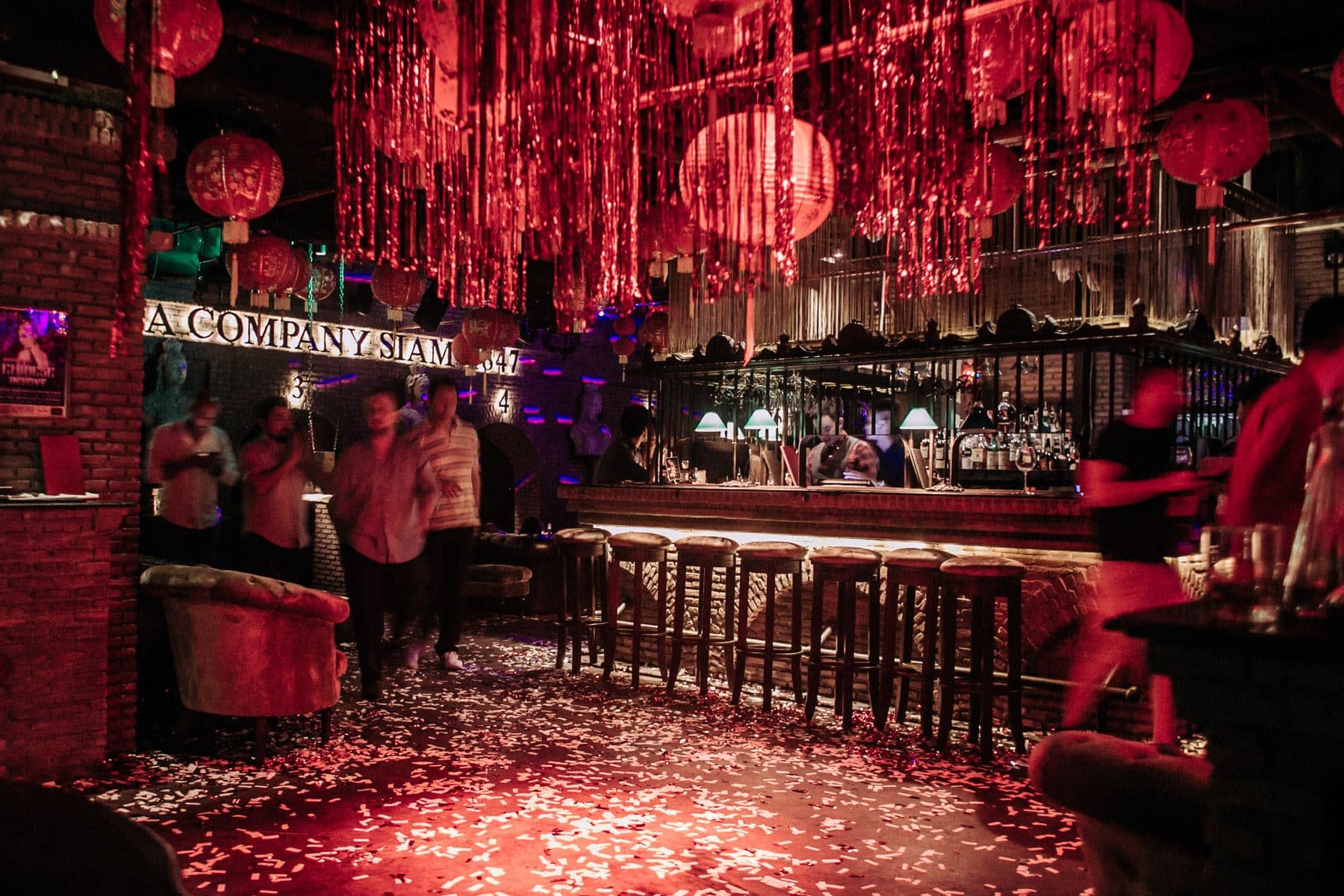
For a memorable and immersive experience, Bangkok boasts a variety of themed bars. From speakeasies to tiki bars and everything in between, these establishments transport you to different eras or exotic locales.
Attend Mixology Masterclasses:
If you’re an avid cocktail enthusiast or simply wish to expand your knowledge of mixology, consider attending mixology masterclasses offered by select bars in Bangkok. These interactive sessions allow you to learn from expert bartenders, acquire new skills, and craft your own signature cocktails.
Timing is Key:
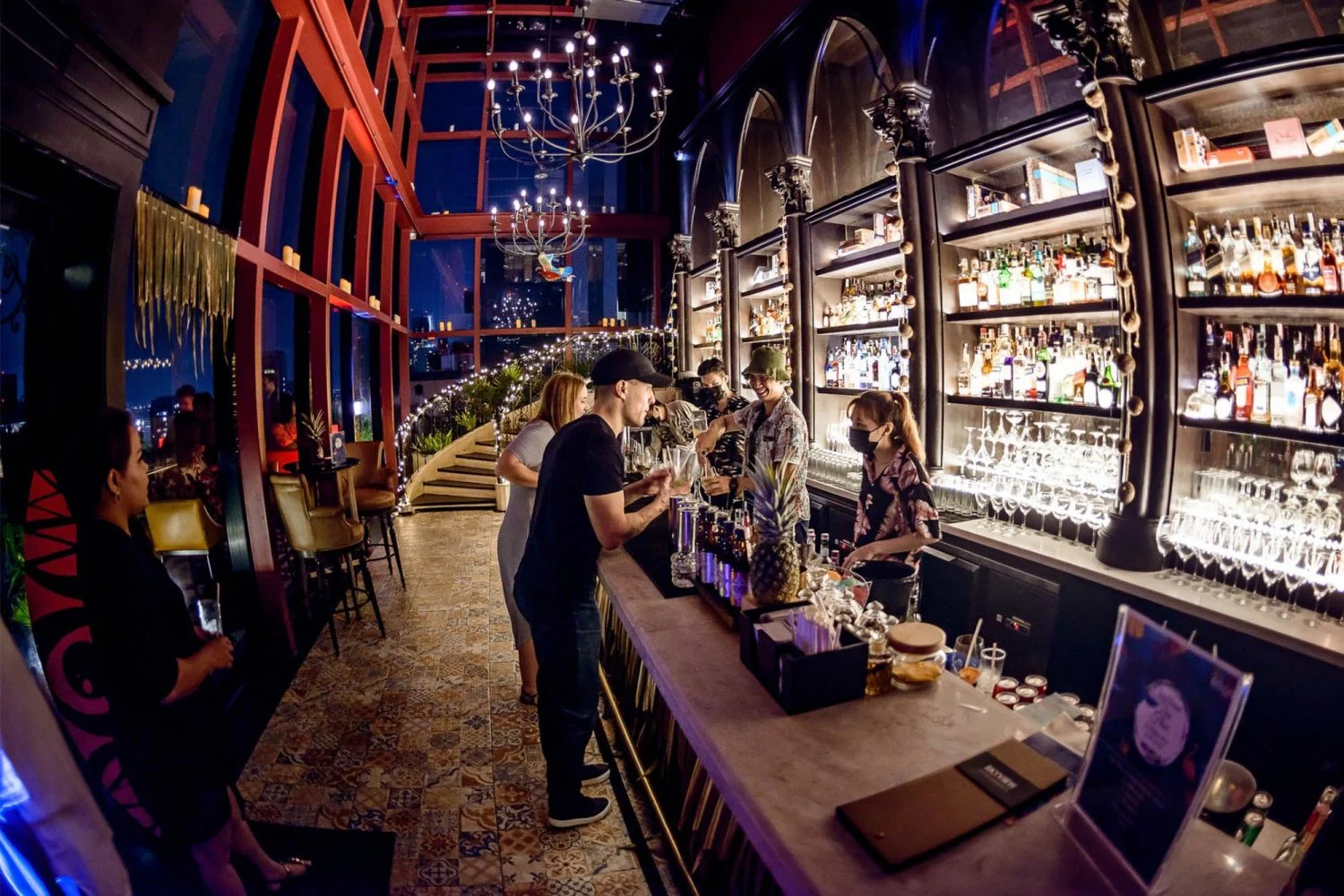 Timing plays a crucial role in ensuring an enjoyable bar-hopping experience. Weekends tend to be busier, so if you prefer a more relaxed ambiance, opt for weekdays or early evenings. Happy hours are also worth considering, as they often feature discounted drinks or special promotions. Be aware of dress codes, reservations, and any events or live performances happening at the bars you plan to visit.
Safety and Etiquette:
While enjoying Bangkok’s nightlife, it’s essential to prioritize your safety and exhibit proper etiquette. Avoid excessive alcohol consumption, keep an eye on your belongings, and use reputable transportation options to travel between bars. Respect the local customs, follow dress codes when applicable, and be mindful of noise levels, particularly in quieter or residential areas.
Choosing the best bars in Bangkok is a delightful adventure that rewards you with diverse experiences and a taste of the city’s vibrant nightlife. By understanding your preferences, conducting online research, seeking local recommendations, and exploring different neighborhoods, you’ll uncover hidden gems that align with your desires. Whether you’re sipping cocktails at a rooftop bar or immersing yourself in a themed speakeasy, Bangkok’s bar scene promises unforgettable memories and an intoxicating blend of culture, flavors, and entertainment.
Unveiling the Bliss: Discover the Best Massages in Bangkok
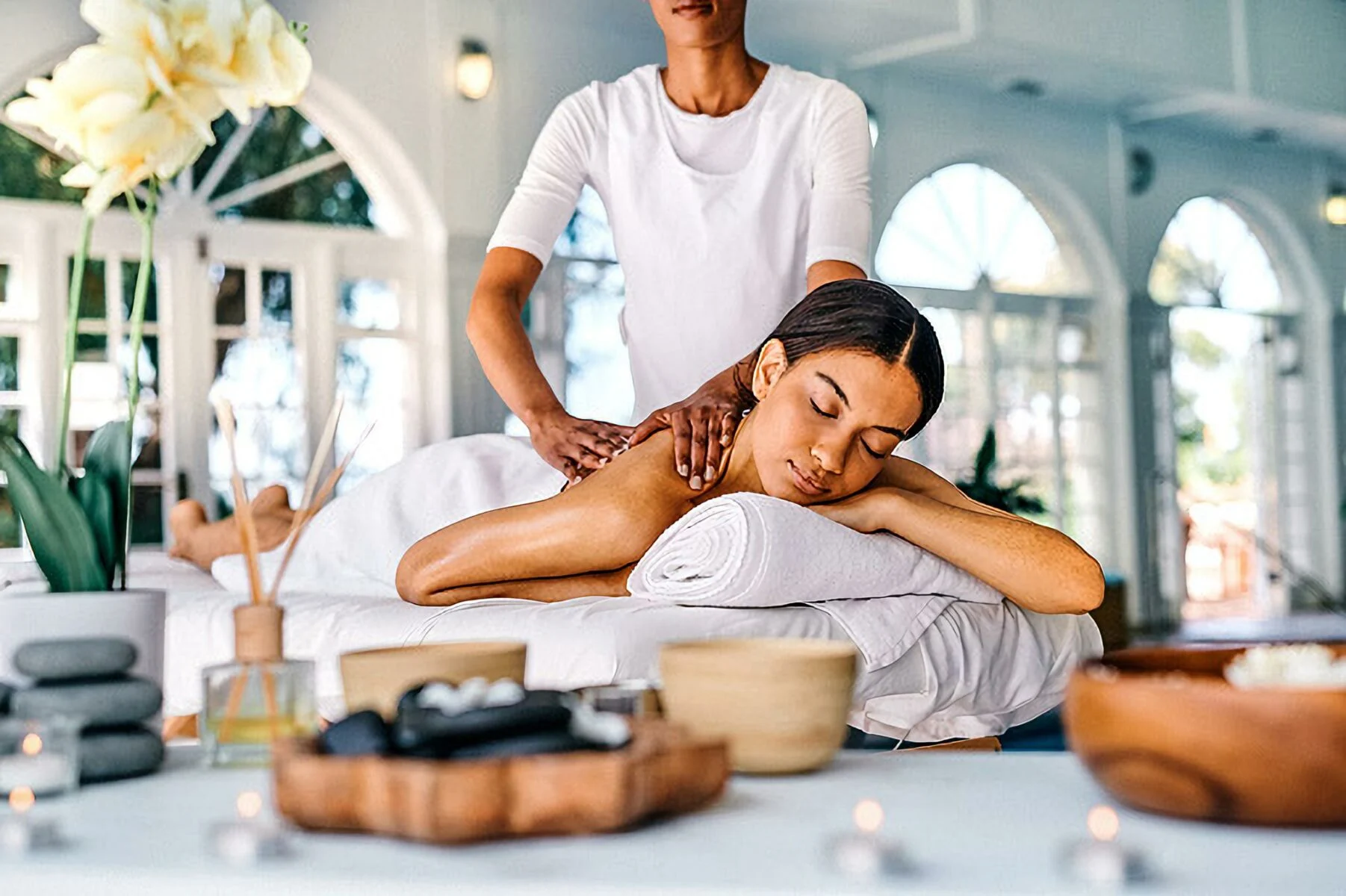 Bangkok, the bustling capital of Thailand, is a city known for its vibrant culture, rich history, and mesmerizing temples. But it’s also a haven for those seeking relaxation and rejuvenation through the art of massage. With a plethora of spas and wellness centers scattered throughout the city, Bangkok offers a diverse range of massages that are renowned for their therapeutic benefits. In this blog post, we will unveil the top-notch massages in Bangkok, where skilled therapists transport you to a realm of tranquility, allowing you to escape the chaos of the city and embrace blissful serenity.
Traditional Thai Massage:
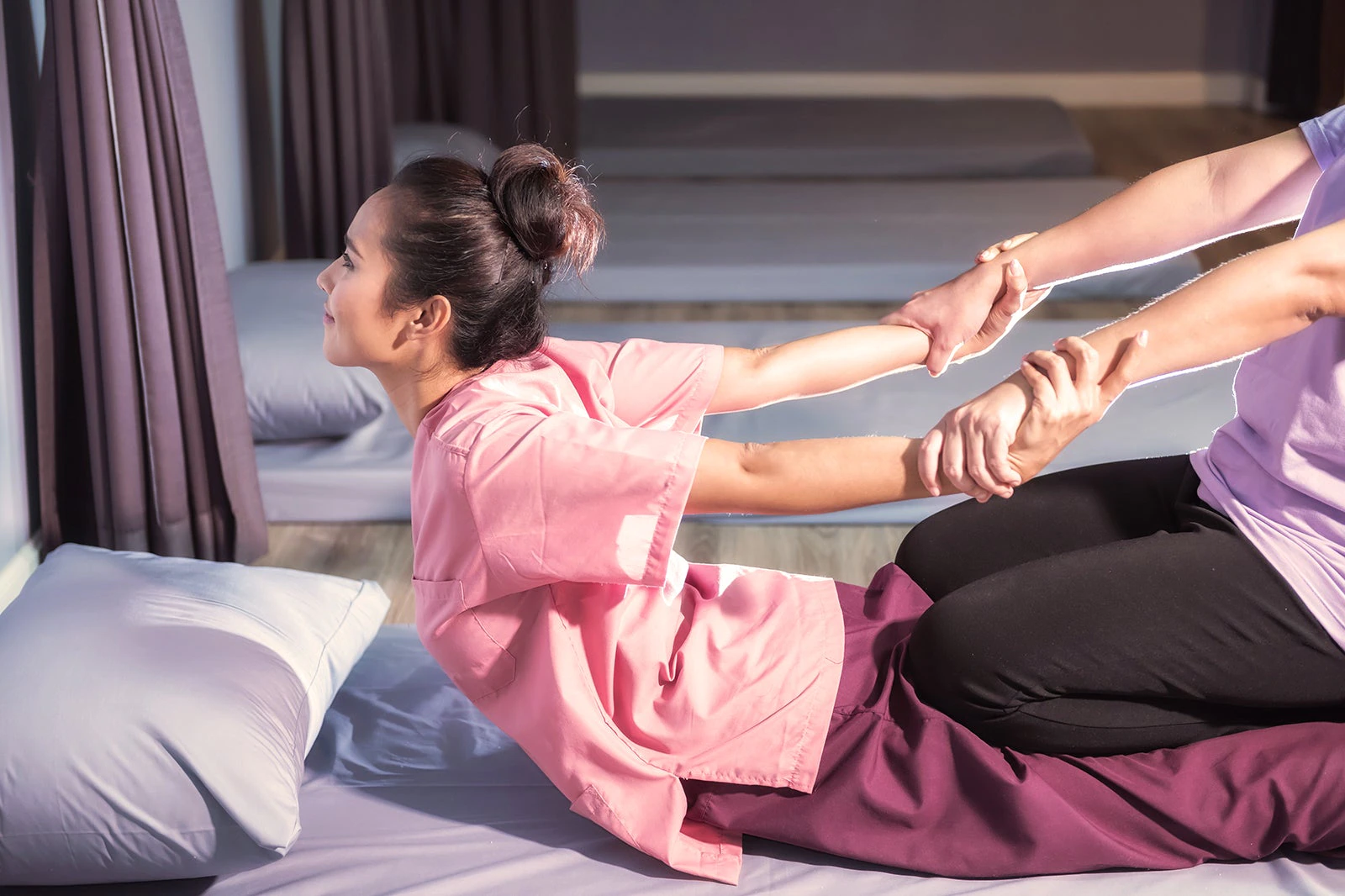
When in Bangkok, experiencing a traditional Thai massage is an absolute must. Rooted in ancient healing traditions, this therapeutic technique involves a combination of stretching, acupressure, and yoga-like poses. It aims to align the body’s energy lines, promoting circulation, flexibility, and deep relaxation.
Aromatherapy Massage:
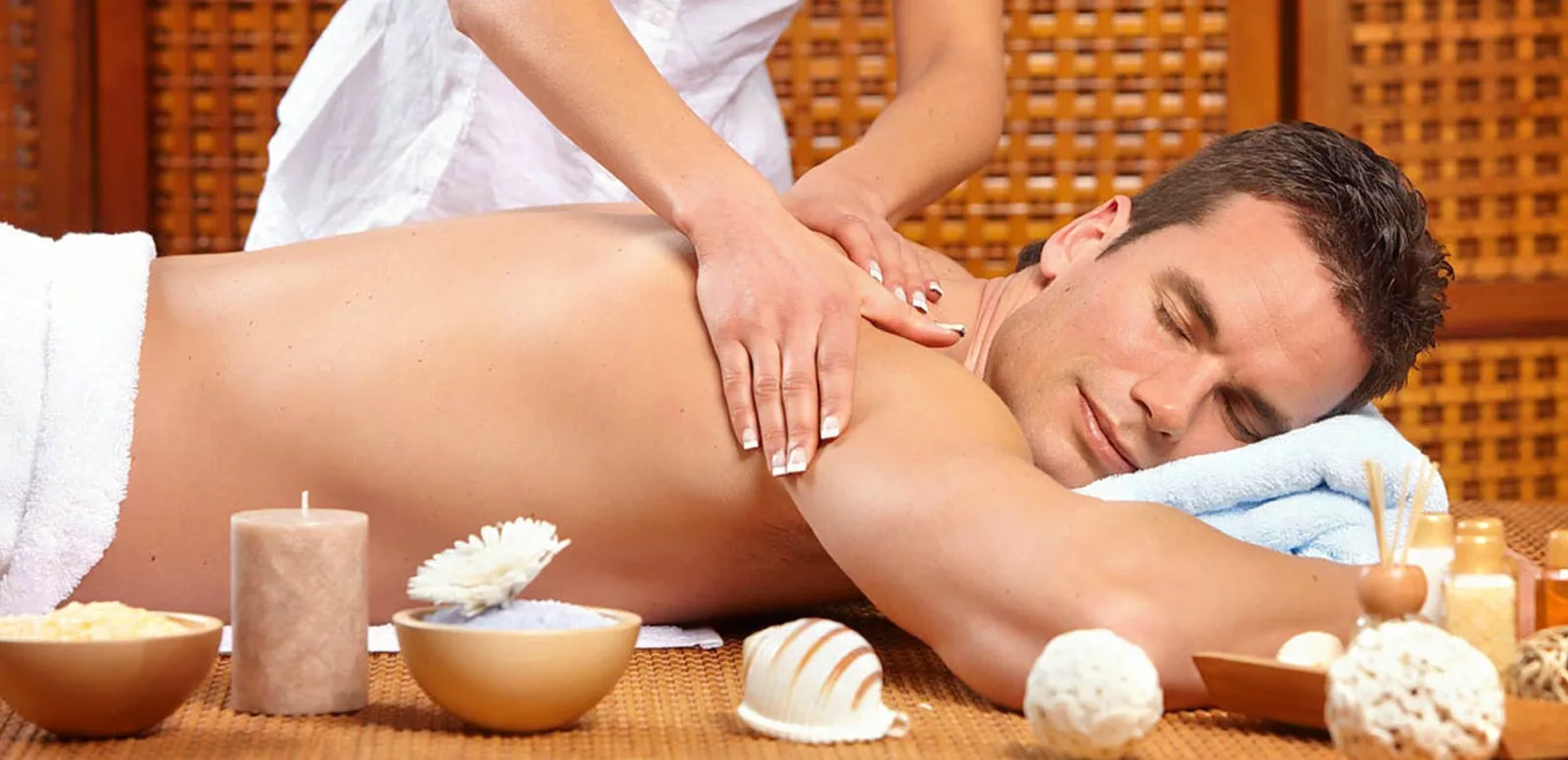
Indulge your senses in an aromatic journey with an aromatherapy massage. This popular technique combines the benefits of essential oils with soothing massage strokes. The carefully selected oils not only enhance relaxation but also offer various therapeutic effects, such as stress relief, improved sleep, and mood enhancement.
Hot Stone Massage:
For a deeply soothing and grounding experience, opt for a hot stone massage. Smooth, heated stones are placed strategically on your body to release tension and promote relaxation. The heat from the stones penetrates deep into the muscles, easing stiffness and enhancing blood circulation.
Foot Massage:
After a day of exploring the vibrant streets of Bangkok, treat your tired feet to a revitalizing foot massage. Foot massages focus on reflexology points that correspond to various organs and systems in the body. Skilled therapists apply pressure to these points, relieving tension, improving circulation, and promoting overall well-being.
Herbal Compress Massage:
Indulge in an ancient Thai healing therapy with a herbal compress massage. A blend of therapeutic herbs is wrapped in a muslin cloth, steamed, and then gently pressed onto the body. The combination of heat and herbal properties helps to alleviate muscle soreness, reduce inflammation, and detoxify the body.
Oil Massage:
 If you prefer a more gentle and relaxing experience, an oil massage is the perfect choice. This soothing massage technique involves long, fluid strokes combined with aromatic oils that nourish the skin and promote relaxation. From boutique spas to high-end wellness centers, you’ll find numerous places offering excellent oil massages in Bangkok.
Bangkok’s massage scene is a treasure trove of therapeutic techniques and rejuvenating experiences. Whether you seek traditional Thai massages or modern wellness therapies, the city has something for everyone. The massages mentioned in this blog post are just a glimpse of the diverse range available in Bangkok. So, the next time you find yourself in the vibrant capital of Thailand, make sure to immerse yourself in the world of soothing touch, indulge in a well-deserved massage, and let your worries melt away as you embrace the ultimate relaxation and rejuvenation.
Unveiling the Nightlife Paradise: Unearthing the Best Nightclubs in Bangkok
 Bangkok, the vibrant and bustling capital of Thailand, is renowned for its electrifying nightlife. The city comes alive after dark, offering a kaleidoscope of experiences that cater to all tastes and preferences. At the heart of this nocturnal wonderland lies an array of world-class nightclubs, where pulsating music, lively atmospheres, and unforgettable memories await. In this blog post, we will guide you through the art of finding the best nightclubs in Bangkok, ensuring you have an unforgettable experience in the city’s nightlife scene.
Research and Preparation:
Before embarking on your nightlife adventure, it is essential to conduct thorough research. Start by familiarizing yourself with the various neighborhoods and areas in Bangkok known for their vibrant clubbing scenes. Sukhumvit Road, Silom, and RCA (Royal City Avenue) are among the most popular areas for nightlife enthusiasts. Look for recommendations online, read reviews, and explore social media platforms to gain insights into the trending and highly acclaimed nightclubs.
Seek Local Recommendations:
While online research provides a great starting point, seeking recommendations from locals or frequent visitors can offer invaluable insights into the best nightclubs in Bangkok. Engage with locals through social media platforms, online forums, or even strike up conversations with friendly Bangkok residents during your daytime exploration. Their firsthand knowledge and personal experiences can uncover hidden gems that may not be widely known to tourists.
Understand the Music Scene:
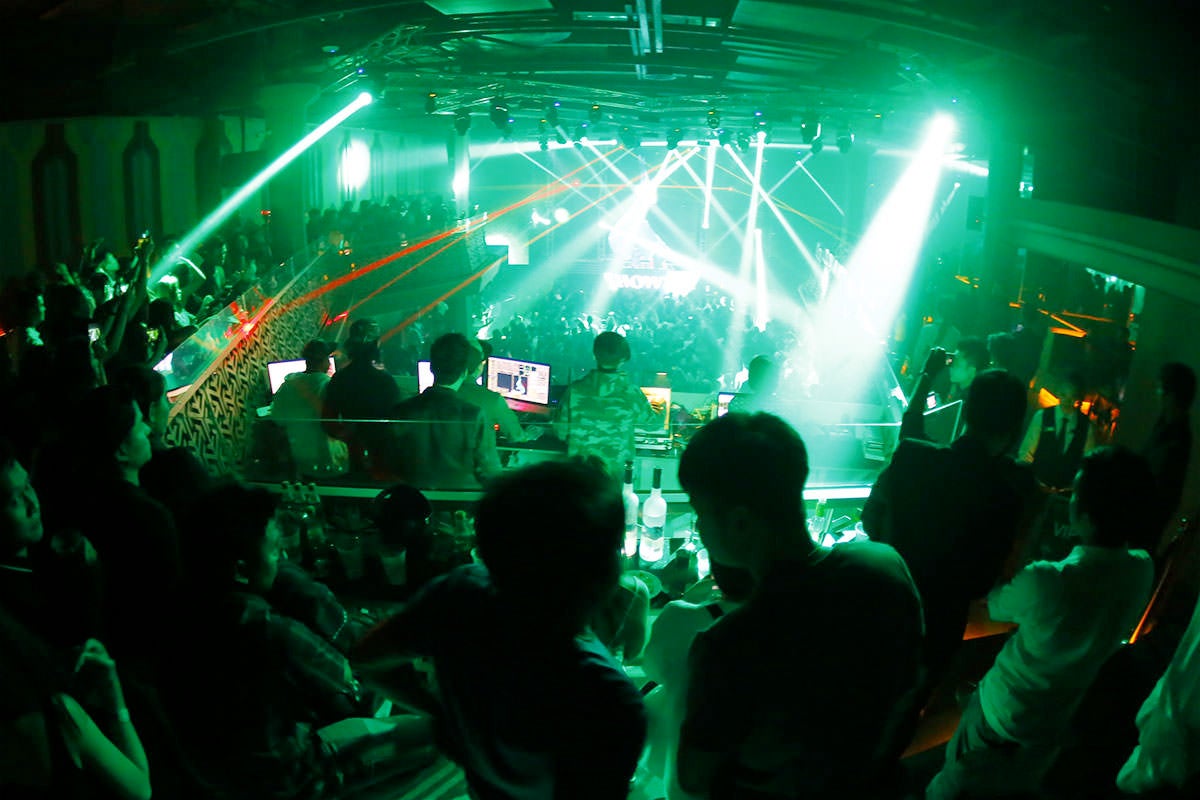
 Bangkok’s nightclub scene is incredibly diverse, catering to a wide range of musical genres. From EDM and hip-hop to techno and house, there’s something to suit every taste. Understanding the prevailing music scene and identifying your preferred genre will help you narrow down your choices. Keep an eye on club event listings, DJ schedules, and theme nights to ensure you find a nightclub that matches your musical preferences.
Consider Atmosphere and Ambiance:
The ambiance and atmosphere of a nightclub can greatly influence your experience. Some nightclubs in Bangkok exude a sleek and sophisticated vibe, while others boast a more laid-back and relaxed atmosphere. Decide whether you prefer an upscale setting, a more intimate club, or a vibrant and high-energy environment. Remember that each nightclub has its unique style, so choose one that resonates with your personal preferences and desired experience.
Check for Special Events and Guest DJs:
To enhance your nightclub experience, keep an eye out for special events and guest DJs. Bangkok’s nightlife scene frequently hosts renowned international DJs and organizes themed parties that offer an extraordinary experience. Following popular nightclubs, promoters, and DJs on social media platforms will keep you updated on upcoming events, ensuring you don’t miss out on any remarkable performances or exclusive parties.
Safety and Security:
While searching for the best nightclubs in Bangkok, it is crucial to prioritize safety and security. Opt for nightclubs that maintain high safety standards, such as those with trained security personnel, secure entry procedures, and well-maintained facilities. Avoid venues with a reputation for overcrowding or inadequate safety measures, as it can compromise your overall experience.
Explore Street-Level Venues and Rooftop Bars:
In addition to traditional nightclubs, Bangkok offers a vibrant street-level scene and an abundance of rooftop bars. Exploring these alternatives can provide a unique perspective on the city’s nightlife. Street-level venues, such as those found in Sukhumvit Soi 11, offer an eclectic mix of bars, clubs, and live music venues. Meanwhile, the city’s rooftop bars provide breathtaking views of Bangkok’s skyline, accompanied by refreshing cocktails and a relaxed atmosphere.
Dress to Impress:
 Most nightclubs in Bangkok have dress codes, so it’s important to dress appropriately to ensure entry. While the level of formality varies, it is generally advisable to dress smartly and avoid wearing flip-flops, shorts, or sleeveless shirts. Check the dress code guidelines of your chosen nightclub in advance to avoid any disappointment at the entrance.
Bangkok’s nightlife scene is a treasure trove of exhilarating experiences, with an abundance of top-notch nightclubs waiting to be explored. By conducting thorough research, seeking local recommendations, understanding the music scene, considering ambiance and atmosphere, and prioritizing safety, you can ensure a memorable night out. Whether you’re seeking an evening of pulsating EDM beats, a trendy hip-hop scene, or a sophisticated cocktail lounge, Bangkok offers something to cater to every taste. So, get ready to immerse yourself in the vibrant nightlife and discover the best nightclubs that Bangkok has to offer.